Future-Proof Careers in the Age of AI: What You Should Learn in 2026

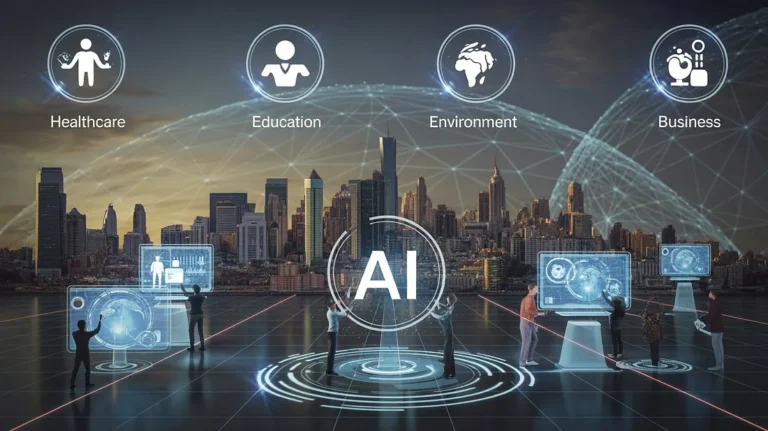
Not long ago, AI was a buzzword tossed around by tech enthusiasts and futurists. Today, it’s quietly reshaping every corner of our world—from how we write emails to how doctors diagnose diseases. The pace is dizzying, and for many, a little terrifying.
But here’s the truth: AI isn’t here to take every job. It’s here to change how we work. And that means opportunity—if you know where to look and what to learn.
Automation Isn’t the Enemy—Stagnation Is
Yes, some jobs will disappear. Routine-based roles are already being automated: data entry, basic customer service, and even some aspects of accounting. But history tells us something hopeful—every major technological leap has also created new kinds of work.
Think about the rise of the internet. It killed the video store, but it gave birth to UX designers, digital marketers, and cybersecurity experts. The same will happen with AI.
What matters now isn’t protecting your job from automation, but preparing your skills for collaboration—with machines, not against them.
The Skills That Will Thrive in 2026
So, what should you actually learn? Let’s break it down.
1. Human Creativity and Design Thinking
AI is brilliant at logic, but it still struggles with originality. Skills that combine empathy, storytelling, and creativity—like product design, brand strategy, and creative direction—will stay in high demand. The world needs human imagination to give meaning to machine intelligence.
2. AI Literacy
You don’t need to become a data scientist, but understanding how AI works is as essential as knowing how to use the internet was in 2000. Learn to use AI tools, understand prompt engineering, and grasp basic machine learning concepts. It’s the new digital literacy.
3. Critical Thinking and Ethics
As AI influences more decisions—hiring, justice, healthcare—ethical reasoning becomes crucial. The future needs professionals who can question biases in algorithms and ensure fairness in automation.
4. Technical Adaptability
Coding won’t go away—it will evolve. Languages like Python, JavaScript, and SQL will remain useful, especially for automating workflows or building AI-powered products. Even if you’re not a developer, learning the basics helps you speak the language of technology.
5. Interpersonal and Leadership Skills
Ironically, the more we automate, the more human skills matter. Empathy, emotional intelligence, and communication can’t be replicated by code. Leaders who can blend technical understanding with genuine human connection will be irreplaceable.
Real-World Example: The Marketing Manager Who Outsmarted AI
Meet Leila, a marketing manager in her thirties. When AI tools began generating ads and content, many of her colleagues panicked. Leila didn’t. Instead, she learned prompt engineering, experimented with AI analytics tools, and positioned herself as the “AI strategist” on her team.
Two years later, she’s leading projects that blend data and creativity—something AI alone can’t do. Her career didn’t just survive the AI wave; it surfaced on top of it.
How to Start Future-Proofing Today
You don’t need to quit your job or go back to school to prepare. Start small:
- Experiment with AI tools in your field.
- Take short online courses on machine learning or data literacy.
- Cultivate curiosity—read, tinker, explore.
Remember, the best learners in 2026 aren’t the ones who know everything. They’re the ones who stay open to learning anything.
The Future Is a Partnership
AI isn’t replacing humans—it’s redefining what it means to be one. The jobs of tomorrow will belong to those who embrace technology without losing their humanity.
So as we step into 2026, ask yourself:
Are you learning to compete with AI—or to collaborate with it?